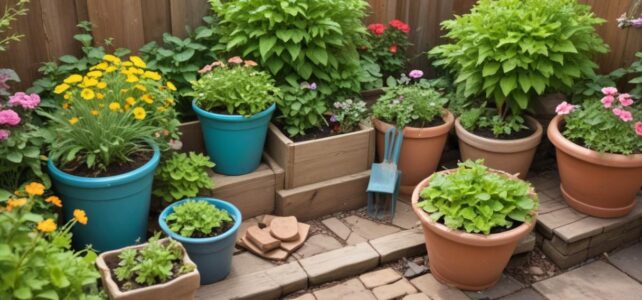
Affordable Materials for a Home Garden

Materials for a Home Garden

Creating a beautiful home garden doesn’t have to be expensive. With the right planning and the use of affordable materials, you can design a stunning garden space that fits your budget. In this article, we’ll explore some of the best low-cost materials you can use to enhance your garden and provide tips on how to make the most of them.

1. Gravel and Mulch

Using Gravel for Pathways

Gravel is an excellent, cost-effective material for creating pathways in your home garden. It’s not only affordable but also easy to maintain. Gravel allows for good drainage, preventing water from pooling on your paths, and it comes in various sizes and colors, allowing you to customize the look of your garden.

Mulch is another inexpensive option for covering the soil in flower beds or around plants. It helps retain moisture, reduces weed growth, and improves the overall appearance of the garden. Mulch can be made from wood chips, bark, or even leaves, making it a versatile and eco-friendly choice.

2. Recycled Materials

Creating Garden Features with Recycled Materials

One of the best ways to save money on your home garden is by using recycled materials. Old bricks, pallets, and even broken pots can be repurposed to create unique garden features. For example, recycled pallets can be transformed into vertical planters, giving you more planting space without the cost of new materials.

Old tires can also be painted and used as planters or garden decorations. Not only does this save money, but it also helps reduce waste, making your garden more sustainable. Recycled materials add a rustic charm to your garden, making it look creative and personalized.

3. Native Plants

The Benefits of Using Native Plants

When selecting plants for your home garden, consider choosing native plants. These plants are typically more affordable because they are well-suited to the local climate and soil conditions, requiring less water, fertilizer, and care. Native plants also attract local wildlife, such as birds and butterflies, enhancing the biodiversity of your garden.

Additionally, native plants are more resistant to pests and diseases, reducing the need for costly pesticides. By opting for native species, you not only save money but also create a more sustainable and environmentally friendly garden.

4. DIY Garden Decor

Crafting Your Own Garden Decorations

You don’t need to spend a lot of money on garden decorations. With a little creativity, you can craft your own garden decor using inexpensive materials. For instance, you can create stepping stones with concrete and decorative pebbles or design a bird feeder using recycled wood.

Other ideas include making wind chimes from old cutlery or creating a water feature using a simple bucket and some stones. DIY garden projects are not only budget-friendly but also allow you to add a personal touch to your garden.

5. Composting

The Importance of Composting in a Budget Garden

Composting is an excellent way to improve your soil quality without spending a lot of money on fertilizers. By composting kitchen scraps, leaves, and other organic matter, you can create nutrient-rich soil for your plants. This reduces the need for store-bought fertilizers and helps you recycle organic waste.

Setting up a compost bin is easy and inexpensive. You can make a simple bin from wooden pallets or even repurpose an old trash can. Composting not only saves money but also contributes to a healthier, more productive garden.…

How to Build a Home Garden: A Step-by-Step Guide

Creating a home garden is an excellent way to enhance the beauty of your outdoor space, grow your own vegetables, and enjoy the therapeutic benefits of gardening. Whether you have a small balcony or a spacious backyard, building a garden can be a fulfilling project. This article will guide you through the essential steps to create a stunning home garden that meets your needs and preferences.

Planning Your Home Garden

1. Determine the Purpose of Your Garden

Before you start digging, it’s essential to determine the purpose of your home garden. Do you want to grow vegetables, flowers, herbs, or a combination of all three? Understanding the primary goal will help you decide on the layout, types of plants, and features you want to include.

For instance, if your main goal is to grow fresh vegetables, you might want to focus on an area that receives ample sunlight and has good soil for planting. On the other hand, if you want a beautiful flower garden, consider selecting a variety of colorful blooms to enhance your outdoor space.

2. Assess Your Space and Sunlight

Take a close look at your available space and assess how much sunlight it receives throughout the day. Most plants require full sun for at least six hours daily. Identify the sunniest spots in your yard or garden area and mark them for planting. If you have limited sunlight, consider shade-tolerant plants that can thrive in lower light conditions.

3. Create a Design Plan

Once you’ve established the purpose of your garden and assessed the space, it’s time to create a design plan. Sketch out your garden layout, considering the following:

  • Plant Placement: Arrange your plants according to their height and spread. Taller plants should be placed at the back of garden beds, while shorter ones can go in front.
  • Paths and Access: Designate pathways for easy access to your plants for maintenance, watering, and harvesting.
  • Focal Points: Incorporate focal points such as a birdbath, bench, or decorative stones to add visual interest to your garden.

Preparing the Soil

1. Clear the Area

Before planting, clear the designated area of any weeds, debris, or grass. This will ensure that your plants have enough space to grow without competition. Use a shovel or hoe to turn the soil and remove any large rocks or roots.

2. Test the Soil

Testing the soil is crucial for understanding its pH and nutrient levels. You can purchase a soil testing kit from a garden center or send a sample to a local extension service. Based on the results, you may need to amend the soil with organic matter, compost, or fertilizers to create a healthy growing environment for your plants.

3. Improve Drainage

Proper drainage is vital for the health of your plants. If your soil retains too much water, consider adding sand or organic matter to improve drainage. Raised garden beds are also an excellent option for ensuring that your plants have adequate drainage and preventing root rot.

Selecting Plants for Your Home Garden

1. Choose the Right Plants

When selecting plants for your home garden, consider factors such as climate, soil type, and the amount of sunlight your garden receives. Some popular choices for beginners include:

  • Vegetables: Tomatoes, peppers, cucumbers, and lettuce are easy to grow and yield bountiful harvests.
  • Herbs: Basil, mint, and parsley are great options for adding flavor to your meals and are easy to care for.
  • Flowers: Marigolds, zinnias, and sunflowers add color and beauty to your garden while attracting beneficial insects.

2. Consider Seasonal Planting

Understanding the planting seasons in your area is crucial for a successful garden. Research which plants thrive in your climate during different seasons, and plan your planting schedule accordingly. This will ensure that your garden remains productive throughout the year.

Maintaining Your Home Garden

1. Watering Techniques

Proper watering is essential for the health of your plants. Water your garden early in the morning or late in the afternoon to minimize evaporation. Consider installing a drip irrigation system for efficient watering that delivers moisture directly to the roots.

2. Regular Maintenance

Regular maintenance is key to a thriving garden. This includes weeding, pruning, and fertilizing your plants. Weeds compete for nutrients and water, so be diligent in removing them. Pruning helps to promote healthy growth and encourages flowering in some plants.

3. Pest Management

Keep an eye out for pests that can damage your plants. Utilize natural pest control methods, such as introducing beneficial insects like ladybugs, or using organic pesticides to protect your garden without harming the environment.

Enjoying Your Garden

1. Create a Relaxing Space

In addition to growing plants, consider creating a relaxing space within your home garden. Add seating areas, such as benches or hammocks, where you can sit back and enjoy the beauty of your surroundings. Incorporate decorative elements like garden art or fairy lights to enhance the ambiance.

2. Share Your Harvest

One of the joys of having a home garden is sharing your harvest with friends and family. Whether it’s fresh vegetables, herbs, or flowers, sharing the fruits of your labor can strengthen relationships and create memorable experiences.…