
Enhance Your Home Space with Nature Best Plants

Nature Best Plants

Adding plants to your home is one of the easiest and most effective ways to create a welcoming and healthy environment. Not only do indoor plants enhance the aesthetic appeal of a space, but they also improve air quality and contribute to overall well-being. Whether you have a green thumb or are just beginning your journey into plant care, choosing the right plants for your home can make all the difference. This guide will explore some of the best houseplants that are easy to maintain and will thrive in various home environments.

1. Snake Plant (Sansevieria)

The Ideal Low-Maintenance Plant

The Snake Plant, also known as Sansevieria, is one of the most popular choices for home plants due to its striking appearance and low maintenance requirements. This plant is known for its tall, upright leaves with green and yellow stripes, making it a beautiful addition to any room.

One of the key advantages of the Snake Plant is its ability to thrive in low light conditions, making it perfect for rooms without much natural sunlight. Additionally, it requires minimal watering, as it stores water in its leaves, allowing it to survive even if you forget to water it occasionally. Another benefit is that the Snake Plant is a natural air purifier, as it removes toxins like formaldehyde and benzene from the air.

2. Peace Lily (Spathiphyllum)

A Blooming Beauty with Air-Purifying Properties

The Peace Lily is another excellent choice for indoor plants, especially if you want a flowering plant that doesn’t require too much care. With its glossy green leaves and elegant white blooms, the Peace Lily adds a touch of elegance to any indoor space.

Peace Lilies thrive in indirect sunlight, making them ideal for areas of your home with filtered light, such as living rooms or bedrooms. They are also known for their air-purifying abilities, as they absorb harmful pollutants like ammonia and acetone. While the Peace Lily prefers moist soil, it can tolerate periods of dryness, making it a forgiving option for those who may forget to water their plants regularly.

3. Spider Plant (Chlorophytum comosum)

A Hardy and Resilient Houseplant

The Spider Plant is one of the best indoor plants for beginners, thanks to its hardiness and adaptability. Its long, arching green leaves with white stripes make it a visually appealing addition to any room. What makes the Spider Plant especially unique is its ability to produce “pups,” or baby plants, which can be propagated to create new plants for your home.

Spider Plants thrive in bright, indirect light but can also tolerate lower light conditions, making them suitable for almost any room. They are also highly effective at improving air quality, as they can remove carbon monoxide, xylene, and formaldehyde from the air. Regular watering is recommended, but the Spider Plant can survive short periods of drought.

4. Aloe Vera

A Medicinal Plant with Many Uses

Aloe Vera is not only an attractive houseplant, but it also has medicinal properties, making it a valuable addition to any home. Its thick, fleshy leaves store water, which means it can survive with infrequent watering. The Aloe Vera plant thrives in bright, indirect light, making it perfect for sunny spots in your home like a windowsill.

One of the most appealing aspects of Aloe Vera is its soothing gel, which can be used to treat minor cuts, burns, and skin irritations. This makes the plant both decorative and functional. With its easy-care routine and beneficial properties, Aloe Vera is an excellent choice for those looking to combine beauty and utility in their home plants.

5. Monstera Deliciosa

A Statement Plant with Large, Unique Leaves

For those looking to make a bold statement with their indoor plants, the Monstera Deliciosa is an excellent choice. Often referred to as the “Swiss Cheese Plant” due to its large, perforated leaves, the Monstera adds a touch of tropical flair to any indoor space.

This plant thrives in bright, indirect light and requires moderate watering, making it relatively easy to care for. As the Monstera matures, its leaves develop more intricate patterns, adding to its unique beauty. Due to its size and bold appearance, the Monstera Deliciosa works best as a focal point in larger rooms such as living rooms or offices.

6. Rubber Plant (Ficus elastica)

A Versatile Plant with Air-Purifying Benefits

The Rubber Plant is another fantastic option for home plants that require minimal effort but provide maximum impact. With its large, dark green and glossy leaves, the Rubber Plant adds a touch of sophistication to any room. It is particularly well-suited to corners or as a statement piece in living spaces.

Like other indoor plants, the Rubber Plant helps purify the air by removing harmful chemicals like formaldehyde. It prefers bright, indirect light but can tolerate lower light conditions, making it adaptable to various parts of the home. While the Rubber Plant prefers to be kept in moist soil, it is quite forgiving and can survive short periods without water.

7. Pothos (Epipremnum aureum)

A Popular Hanging Plant for Small Spaces

If you’re looking for a versatile indoor plant that’s perfect for hanging baskets or shelves, the Pothos is a great option. Known for its trailing vines and heart-shaped leaves, the Pothos can add a lush, green touch to any room.

Pothos is incredibly easy to care for and can thrive in a variety of light conditions, from low to bright indirect light. It’s also one of the best plants for purifying the air, as it helps remove pollutants like formaldehyde, benzene, and toluene. This plant is ideal for those who want to add greenery to small spaces, as its trailing vines can grow long and cascade beautifully.…
Best Home Gardens in the World

Best Home Gardens in the World

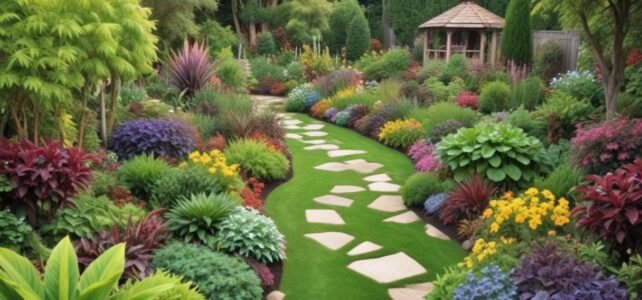
Home gardens are a reflection of personal taste, creativity, and a connection with nature. Around the world, there are some truly extraordinary home gardens that stand out for their beauty, design, and the unique ways in which they bring together nature and architecture. In this article, we will explore some of the best home gardens in the world that inspire and awe visitors.

1. The Majorelle Garden – Marrakech, Morocco

A Fusion of Color and Culture

The Majorelle Garden in Marrakech, Morocco, is one of the most famous and beautifully designed home gardens in the world. Originally designed by French artist Jacques Majorelle in the 1920s, this garden is a stunning example of the fusion between art and nature. The garden is renowned for its vibrant blue structures, lush greenery, and diverse plant species, including exotic cacti, palms, and bamboo.

What makes the Majorelle Garden stand out is its unique combination of color and plant life. The bold blue color, now known as “Majorelle Blue,” contrasts beautifully with the green foliage and colorful flowers, creating a striking visual experience. The garden also houses a museum dedicated to Berber culture, adding a layer of historical and cultural significance to this stunning home garden.

2. The Villa d’Este Gardens – Tivoli, Italy

Renaissance Splendor in Garden Design

The Villa d’Este Gardens in Tivoli, Italy, are a prime example of Renaissance garden design. This UNESCO World Heritage site is considered one of the most beautiful home gardens in Europe. The gardens are famous for their elaborate fountains, water features, and terraced landscapes that cascade down the hillside.

The design of the Villa d’Este Gardens reflects the grandeur of the Renaissance era, with meticulously planned pathways, manicured hedges, and an impressive array of statues and sculptures. The garden’s use of water as a central element, with its famous “Hundred Fountains,” creates a sense of movement and life, making it one of the most inspiring home gardens in the world.

3. The Kew Gardens – London, England

A Global Collection of Plants

While not a traditional home garden, the Kew Gardens in London, England, offers an unparalleled display of botanical diversity. Originally established as a royal garden, it has evolved into one of the world’s leading botanical gardens. The Kew Gardens span over 300 acres and feature more than 50,000 different plant species, making it a treasure trove for plant lovers and garden enthusiasts.

The garden includes several distinct areas, such as the Palm House, a magnificent Victorian glasshouse that houses a collection of tropical plants, and the Japanese Landscape, which offers a serene escape within the bustling city. The Kew Gardens are a testament to the beauty and diversity of plant life and stand as an inspiration for those looking to create their own home garden masterpiece.

4. The Butchart Gardens – British Columbia, Canada

A Floral Fantasy

The Butchart Gardens in British Columbia, Canada, is one of the most famous home gardens in North America. Originally created by Jennie Butchart in the early 20th century, this garden has grown into a sprawling 55-acre floral display. The garden features a variety of themed areas, including the Sunken Garden, Rose Garden, and Japanese Garden.

Each section of the Butchart Gardens offers a unique experience, with a meticulous arrangement of flowers, shrubs, and trees that change with the seasons. The Sunken Garden, with its vibrant flowers set against a backdrop of tall cliffs, is particularly stunning and showcases the potential of transforming an ordinary space into a home garden paradise.

5. The Katsura Imperial Villa – Kyoto, Japan

Zen and Serenity

The Katsura Imperial Villa in Kyoto, Japan, is a masterpiece of Japanese garden design. This home garden is renowned for its minimalist design, natural beauty, and the use of water, rocks, and plants to create a serene and harmonious environment. The garden is designed to be viewed from specific vantage points, offering visitors a carefully curated experience of tranquility and reflection.

The Katsura Imperial Villa embodies the principles of Zen, with its understated elegance and emphasis on simplicity. The use of natural elements like moss, stones, and water, combined with carefully placed trees and shrubs, creates a peaceful retreat that is both aesthetically pleasing and spiritually uplifting. This garden is a perfect example of how a home garden can be both beautiful and meditative.…

Affordable Materials for a Home Garden

Materials for a Home Garden

Creating a beautiful home garden doesn’t have to be expensive. With the right planning and the use of affordable materials, you can design a stunning garden space that fits your budget. In this article, we’ll explore some of the best low-cost materials you can use to enhance your garden and provide tips on how to make the most of them.

1. Gravel and Mulch

Using Gravel for Pathways

Gravel is an excellent, cost-effective material for creating pathways in your home garden. It’s not only affordable but also easy to maintain. Gravel allows for good drainage, preventing water from pooling on your paths, and it comes in various sizes and colors, allowing you to customize the look of your garden.

Mulch is another inexpensive option for covering the soil in flower beds or around plants. It helps retain moisture, reduces weed growth, and improves the overall appearance of the garden. Mulch can be made from wood chips, bark, or even leaves, making it a versatile and eco-friendly choice.

2. Recycled Materials

Creating Garden Features with Recycled Materials

One of the best ways to save money on your home garden is by using recycled materials. Old bricks, pallets, and even broken pots can be repurposed to create unique garden features. For example, recycled pallets can be transformed into vertical planters, giving you more planting space without the cost of new materials.

Old tires can also be painted and used as planters or garden decorations. Not only does this save money, but it also helps reduce waste, making your garden more sustainable. Recycled materials add a rustic charm to your garden, making it look creative and personalized.

3. Native Plants

The Benefits of Using Native Plants

When selecting plants for your home garden, consider choosing native plants. These plants are typically more affordable because they are well-suited to the local climate and soil conditions, requiring less water, fertilizer, and care. Native plants also attract local wildlife, such as birds and butterflies, enhancing the biodiversity of your garden.

Additionally, native plants are more resistant to pests and diseases, reducing the need for costly pesticides. By opting for native species, you not only save money but also create a more sustainable and environmentally friendly garden.

4. DIY Garden Decor

Crafting Your Own Garden Decorations

You don’t need to spend a lot of money on garden decorations. With a little creativity, you can craft your own garden decor using inexpensive materials. For instance, you can create stepping stones with concrete and decorative pebbles or design a bird feeder using recycled wood.

Other ideas include making wind chimes from old cutlery or creating a water feature using a simple bucket and some stones. DIY garden projects are not only budget-friendly but also allow you to add a personal touch to your garden.

5. Composting

The Importance of Composting in a Budget Garden

Composting is an excellent way to improve your soil quality without spending a lot of money on fertilizers. By composting kitchen scraps, leaves, and other organic matter, you can create nutrient-rich soil for your plants. This reduces the need for store-bought fertilizers and helps you recycle organic waste.

Setting up a compost bin is easy and inexpensive. You can make a simple bin from wooden pallets or even repurpose an old trash can. Composting not only saves money but also contributes to a healthier, more productive garden.…

How to Build a Home Garden: A Step-by-Step Guide

Creating a home garden is an excellent way to enhance the beauty of your outdoor space, grow your own vegetables, and enjoy the therapeutic benefits of gardening. Whether you have a small balcony or a spacious backyard, building a garden can be a fulfilling project. This article will guide you through the essential steps to create a stunning home garden that meets your needs and preferences.

Planning Your Home Garden

1. Determine the Purpose of Your Garden

Before you start digging, it’s essential to determine the purpose of your home garden. Do you want to grow vegetables, flowers, herbs, or a combination of all three? Understanding the primary goal will help you decide on the layout, types of plants, and features you want to include.

For instance, if your main goal is to grow fresh vegetables, you might want to focus on an area that receives ample sunlight and has good soil for planting. On the other hand, if you want a beautiful flower garden, consider selecting a variety of colorful blooms to enhance your outdoor space.

2. Assess Your Space and Sunlight

Take a close look at your available space and assess how much sunlight it receives throughout the day. Most plants require full sun for at least six hours daily. Identify the sunniest spots in your yard or garden area and mark them for planting. If you have limited sunlight, consider shade-tolerant plants that can thrive in lower light conditions.

3. Create a Design Plan

Once you’ve established the purpose of your garden and assessed the space, it’s time to create a design plan. Sketch out your garden layout, considering the following:

  • Plant Placement: Arrange your plants according to their height and spread. Taller plants should be placed at the back of garden beds, while shorter ones can go in front.
  • Paths and Access: Designate pathways for easy access to your plants for maintenance, watering, and harvesting.
  • Focal Points: Incorporate focal points such as a birdbath, bench, or decorative stones to add visual interest to your garden.

Preparing the Soil

1. Clear the Area

Before planting, clear the designated area of any weeds, debris, or grass. This will ensure that your plants have enough space to grow without competition. Use a shovel or hoe to turn the soil and remove any large rocks or roots.

2. Test the Soil

Testing the soil is crucial for understanding its pH and nutrient levels. You can purchase a soil testing kit from a garden center or send a sample to a local extension service. Based on the results, you may need to amend the soil with organic matter, compost, or fertilizers to create a healthy growing environment for your plants.

3. Improve Drainage

Proper drainage is vital for the health of your plants. If your soil retains too much water, consider adding sand or organic matter to improve drainage. Raised garden beds are also an excellent option for ensuring that your plants have adequate drainage and preventing root rot.

Selecting Plants for Your Home Garden

1. Choose the Right Plants

When selecting plants for your home garden, consider factors such as climate, soil type, and the amount of sunlight your garden receives. Some popular choices for beginners include:

  • Vegetables: Tomatoes, peppers, cucumbers, and lettuce are easy to grow and yield bountiful harvests.
  • Herbs: Basil, mint, and parsley are great options for adding flavor to your meals and are easy to care for.
  • Flowers: Marigolds, zinnias, and sunflowers add color and beauty to your garden while attracting beneficial insects.

2. Consider Seasonal Planting

Understanding the planting seasons in your area is crucial for a successful garden. Research which plants thrive in your climate during different seasons, and plan your planting schedule accordingly. This will ensure that your garden remains productive throughout the year.

Maintaining Your Home Garden

1. Watering Techniques

Proper watering is essential for the health of your plants. Water your garden early in the morning or late in the afternoon to minimize evaporation. Consider installing a drip irrigation system for efficient watering that delivers moisture directly to the roots.

2. Regular Maintenance

Regular maintenance is key to a thriving garden. This includes weeding, pruning, and fertilizing your plants. Weeds compete for nutrients and water, so be diligent in removing them. Pruning helps to promote healthy growth and encourages flowering in some plants.

3. Pest Management

Keep an eye out for pests that can damage your plants. Utilize natural pest control methods, such as introducing beneficial insects like ladybugs, or using organic pesticides to protect your garden without harming the environment.

Enjoying Your Garden

1. Create a Relaxing Space

In addition to growing plants, consider creating a relaxing space within your home garden. Add seating areas, such as benches or hammocks, where you can sit back and enjoy the beauty of your surroundings. Incorporate decorative elements like garden art or fairy lights to enhance the ambiance.

2. Share Your Harvest

One of the joys of having a home garden is sharing your harvest with friends and family. Whether it’s fresh vegetables, herbs, or flowers, sharing the fruits of your labor can strengthen relationships and create memorable experiences.…

Beauty and Benefits of Home Gardens

Creating a home garden is one of the most rewarding activities you can engage in. Not only does it beautify your surroundings, but it also provides numerous benefits for your health and well-being. Whether you have a small balcony or a large backyard, there are endless possibilities for designing and maintaining a garden that suits your lifestyle. This article explores the various aspects of home gardens, including their benefits, popular plants to grow, and tips for maintaining a thriving garden.

Benefits of Having a Home Garden

1. Enhances Aesthetic Appeal

One of the most obvious benefits of a home garden is its ability to enhance the aesthetic appeal of your property. A well-designed garden adds color, texture, and life to your outdoor space. By incorporating various plants, flowers, and decorative elements, you can create a visually stunning environment that reflects your personal style. Gardens can transform ordinary yards into beautiful sanctuaries, making them inviting for both residents and guests.

2. Promotes Physical Health

Gardening is an excellent way to promote physical health. Engaging in activities such as planting, weeding, and watering requires physical effort, which can help improve your strength and endurance. Regular gardening can burn calories, promote flexibility, and improve overall fitness. Additionally, spending time outdoors and being active in your garden can reduce the risk of chronic illnesses and improve cardiovascular health.

3. Boosts Mental Well-being

The therapeutic benefits of gardening are well-documented. Spending time in nature and nurturing plants can significantly reduce stress and anxiety levels. Engaging with your home garden allows you to disconnect from the digital world and focus on the simple pleasures of life. The act of planting and caring for plants can be meditative, providing a sense of accomplishment and purpose. Studies have shown that spending time in green spaces can boost mood and enhance overall mental well-being.

Popular Plants for Home Gardens

1. Flowering Plants

Flowering plants are a popular choice for home gardens due to their vibrant colors and appealing scents. Varieties such as roses, tulips, and daisies can create stunning floral displays throughout the growing season. When selecting flowering plants, consider the climate and soil conditions of your garden to ensure they thrive.

2. Vegetables and Herbs

Growing your own vegetables and herbs is not only rewarding but also provides fresh produce for your kitchen. Common choices for home gardens include tomatoes, peppers, basil, and parsley. These plants are relatively easy to grow and can be cultivated in containers or garden beds. Harvesting your own vegetables and herbs ensures that you have access to fresh, organic ingredients right at your fingertips.

3. Shrubs and Ornamental Grasses

Incorporating shrubs and ornamental grasses can add structure and texture to your home garden. Varieties such as lavender, boxwood, and ornamental grasses provide year-round interest and can enhance the overall design of your outdoor space. These plants often require less maintenance than flowering plants and can help create a lush and inviting atmosphere.

Tips for Maintaining a Thriving Home Garden

1. Choose the Right Location

When establishing your home garden, it is essential to choose the right location. Most plants require full sun for at least six hours a day, so select a spot that receives adequate sunlight. Additionally, consider factors such as soil quality and drainage. Testing the soil can help you determine if it needs any amendments to support healthy plant growth.

2. Water Wisely

Proper watering is crucial for the health of your plants. Overwatering or underwatering can lead to various issues, including root rot and wilting. A good rule of thumb is to water early in the morning or late in the afternoon to minimize evaporation. Use mulch to retain moisture in the soil and prevent weeds from competing with your plants for nutrients.

3. Regular Maintenance

Maintaining your home garden requires regular attention. This includes tasks such as weeding, pruning, and fertilizing. Weeds can quickly take over and hinder the growth of your plants, so be diligent in removing them. Pruning plants promotes healthy growth and encourages flowering, while fertilizing provides essential nutrients for optimal health.

4. Experiment and Adapt

Gardening is a journey of experimentation. Don’t be afraid to try new plants or techniques. Observe what works best in your garden and be willing to adapt your approach based on your experiences. This flexibility will help you create a garden that thrives and evolves over time.…

The Best Houseplants for Your Home: A Guide to Indoor Gardening

In recent years, the popularity of houseplants has surged as people seek ways to bring nature indoors. Not only do these plants enhance the aesthetic of your home, but they also improve air quality and boost mental well-being. This article explores some of the best houseplants for various environments, along with tips for care and maintenance.

Why Choose Houseplants?

1. Benefits of Indoor Plants

Houseplants offer numerous benefits, making them a perfect addition to any home. They can help purify the air by absorbing toxins and releasing oxygen, leading to improved indoor air quality. Studies have shown that being around greenery can reduce stress, enhance mood, and increase productivity. Additionally, caring for plants can provide a sense of purpose and connection to nature, especially in urban settings where green spaces may be limited.

2. Aesthetic Appeal

Incorporating houseplants into your home decor can add color, texture, and life to any space. With a wide variety of plants available, you can choose options that complement your style, whether it’s minimalist, bohemian, or modern. From small succulents to tall statement plants, the right plants can transform your living environment and create a more inviting atmosphere.

Popular Houseplants to Consider

1. Snake Plant (Sansevieria)

The snake plant, also known as mother-in-law’s tongue, is a popular choice for beginners. This hardy plant is nearly indestructible and thrives in low light, making it perfect for any room. It requires minimal watering and can tolerate neglect, which makes it ideal for busy individuals. Plus, the snake plant is known for its air-purifying qualities, making it a healthy addition to your home.

2. Pothos (Epipremnum aureum)

Pothos is another excellent option for indoor gardening. This trailing vine is known for its beautiful heart-shaped leaves and vibrant green color. Pothos can thrive in a variety of lighting conditions, from low light to bright, indirect sunlight. It’s also very forgiving when it comes to watering, as it can survive occasional neglect. This makes it perfect for those who are new to plant care.

3. Peace Lily (Spathiphyllum)

The peace lily is an elegant plant that produces stunning white flowers and lush green leaves. This plant prefers low to medium light conditions and requires regular watering to keep the soil moist. Peace lilies are also excellent air purifiers, removing harmful toxins from the air. However, it’s essential to note that the peace lily is toxic to pets, so keep it out of reach if you have animals at home.

Read More : Essential Tips for Plant Care to Keep Your Garden Thriving

Tips for Caring for Houseplants

1. Proper Lighting

Understanding the light requirements of your houseplants is crucial for their health. Some plants thrive in bright, indirect light, while others can tolerate low light conditions. Before purchasing a plant, research its lighting needs to ensure it will thrive in your home. For example, succulents and cacti prefer bright light, while snake plants and pothos can do well in shadier spots.

2. Watering Techniques

Overwatering is a common mistake among indoor gardeners. Most houseplants prefer to dry out slightly between waterings. To determine when to water, check the top inch of soil—if it feels dry, it’s time to water. Be cautious not to let the plant sit in standing water, as this can lead to root rot.

3. Fertilizing

Feeding your houseplants with fertilizer can promote healthy growth. Most plants benefit from a balanced liquid fertilizer every 4-6 weeks during the growing season (spring and summer). Be sure to follow the instructions on the fertilizer package to avoid over-fertilizing, which can harm your plants.

4. Repotting

As your houseplants grow, they may outgrow their pots and require repotting. Signs that a plant needs repotting include roots growing out of the drainage holes or stunted growth. Choose a pot that is one size larger and fill it with fresh potting mix to give your plant more room to grow.

Conclusion

Bringing houseplants into your home can greatly enhance your living space and contribute to your overall well-being. With a variety of options available, from low-maintenance snake plants to elegant peace lilies, you can find the perfect plants to suit your style and lifestyle. By understanding their care needs and creating the right environment, you can enjoy the beauty and benefits of indoor gardening for years to come.…

The Benefits of Keeping Houseplants: A Guide to Indoor Gardening

Bringing plants into your home is not only a great way to enhance your decor but also offers numerous health benefits. Houseplants can improve air quality, boost your mood, and create a serene environment. In this article, we will explore the advantages of having indoor plants, popular varieties, and tips for caring for them.

Why Choose Houseplants?

1. Improved Air Quality

One of the most significant benefits of keeping houseplants is their ability to purify the air. Many common indoor plants, such as peace lilies and snake plants, are known for their air-purifying qualities. They absorb toxins and release oxygen, contributing to a healthier indoor environment. According to a study by NASA, certain plants can remove harmful substances like formaldehyde, benzene, and carbon monoxide from the air, making them an essential addition to any home.

2. Enhanced Mental Well-Being

Having plants in your living space can positively impact your mental health. Studies have shown that interacting with houseplants can reduce stress, anxiety, and depression. The simple act of caring for a plant can provide a sense of purpose and accomplishment. Moreover, being surrounded by greenery can create a calming atmosphere, helping to improve focus and productivity, especially in home offices or study areas.

Choosing the Right Houseplants

1. Low-Maintenance Options

If you are new to indoor gardening, starting with low-maintenance houseplants is a great idea. Plants like pothos, ZZ plants, and spider plants are forgiving and can thrive in various conditions. They require minimal care, making them perfect for busy individuals or those without a green thumb. These plants can tolerate lower light levels and infrequent watering, allowing you to enjoy greenery without the pressure of extensive upkeep.

2. Aesthetic Appeal

When selecting houseplants, consider the aesthetic appeal they can bring to your home. Plants come in various shapes, sizes, and colors, allowing you to choose ones that complement your decor. For example, succulents and cacti are trendy choices that add a modern touch to any room. On the other hand, larger plants like fiddle leaf figs or rubber plants can serve as striking focal points in living spaces.

Caring for Your Houseplants

1. Proper Lighting

Understanding the light requirements of your houseplants is crucial for their health. Some plants thrive in bright, indirect sunlight, while others prefer low light. Placing your plants in the right location can significantly impact their growth. If natural light is limited in your home, consider using grow lights to provide the necessary illumination for your plants to thrive.

2. Watering Techniques

Overwatering is a common mistake among indoor gardeners. It’s essential to know how much water your houseplants need. Generally, it’s better to underwater than overwater, as many plants can tolerate dryness. A good rule of thumb is to check the top inch of soil; if it feels dry, it’s time to water. Ensure that your pots have drainage holes to prevent water from pooling at the bottom.

3. Fertilization and Soil

Regular fertilization is vital for the health of your houseplants. Use a balanced, water-soluble fertilizer during the growing season (spring and summer) to provide essential nutrients. Additionally, repotting your plants every couple of years with fresh potting soil will promote healthy growth and root development.…

Creating and Maintaining a Beautiful Home Garden

A well-designed home garden can be a sanctuary of beauty and tranquility, enhancing the overall ambiance of your living space. Whether you are an experienced gardener or a novice, creating a home garden that thrives requires careful planning and regular maintenance. This guide will provide you with essential tips for designing, planting, and maintaining a stunning garden.

Designing Your Home Garden

1. Assessing Your Space and Needs

The first step in creating a successful home garden is to assess your available space and determine your gardening goals. Consider factors such as the size of your garden, the amount of sunlight it receives, and the type of soil present. These factors will influence your choice of plants and garden layout.

For small spaces, consider vertical gardening techniques or container gardening to maximize your planting area. For larger spaces, you might explore options such as garden beds, flower beds, and vegetable patches. Understanding your space will help you create a design that fits your needs and enhances the beauty of your home.

2. Choosing the Right Plants

Selecting the right plants is crucial for the success of your home garden. Choose plants that are well-suited to your climate and soil conditions. Consider factors such as hardiness zones, sunlight requirements, and water needs. Native plants are often a great choice as they are adapted to local conditions and require less maintenance.

Incorporate a mix of perennials and annuals to ensure year-round interest. Perennials return every year, while annuals provide vibrant color for a single growing season. Additionally, include herbs, vegetables, and fruits if you are interested in a productive garden.

Maintaining Your Home Garden

1. Regular Watering and Fertilizing

Proper watering and fertilizing are essential for a healthy home garden. Water your plants according to their specific needs, typically in the early morning or late afternoon to minimize evaporation. Use a soaker hose or drip irrigation system for efficient watering and to reduce water waste.

Fertilize your plants with a balanced garden fertilizer that provides essential nutrients. Different plants have varying nutrient requirements, so choose a fertilizer that matches their needs. Organic fertilizers, such as compost or manure, can also improve soil health and support plant growth.

2. Weed and Pest Control

Weeds and pests can compete with your plants for nutrients and water, so it’s important to manage them effectively. Regularly weed your garden beds by hand or with tools to prevent weeds from taking over. Mulching around your plants can also help suppress weed growth and retain soil moisture.

For pest control, monitor your garden regularly for signs of infestation. Use natural pest control methods, such as introducing beneficial insects like ladybugs or using companion planting to deter pests. If necessary, use organic pest control products to protect your plants without harming the environment.

3. Seasonal Care and Pruning

Seasonal care is vital for maintaining a thriving home garden. In the spring, focus on planting and pruning to encourage healthy growth. During the summer, keep up with watering and weeding, and in the fall, prepare your garden for winter by removing dead plants and adding mulch.

Pruning is important for maintaining the shape and health of your plants. Remove dead or diseased branches and spent blooms to promote new growth. Proper pruning techniques can also improve air circulation and reduce the risk of fungal infections.

Conclusion

Creating and maintaining a beautiful home garden requires careful planning, regular care, and a bit of creativity. By assessing your space, choosing the right plants, and providing proper maintenance, you can transform your garden into a lush, inviting space that enhances your home. Embrace the joy of gardening and enjoy the many benefits of having a vibrant and well-kept garden right outside your door.…

Essential Tips for Plant Care to Keep Your Garden Thriving

Proper plant care is crucial for maintaining a healthy and beautiful garden. Whether you’re an experienced gardener or a beginner, understanding the basics of plant maintenance can make a significant difference in the growth and vitality of your plants. This guide provides essential tips on how to care for your plants effectively, ensuring they flourish throughout the year.

Basic Principles of Plant Care

1. Understand Your Plants’ Needs

Each type of plant has unique requirements for light, water, and soil. To provide the best care for your plants, start by researching their specific needs. Some plants thrive in full sun, while others prefer shaded areas. Similarly, certain plants require well-drained soil, while others need more moisture. Knowing these needs will help you create the optimal environment for your plants to grow.

2. Watering Wisely

Proper watering is one of the most important aspects of plant care. Over-watering can lead to root rot, while under-watering can cause plants to wilt and become stressed. To determine the right amount of water, check the soil regularly. Water your plants when the top inch of soil feels dry. Use a drip irrigation system or soaker hoses to provide consistent moisture without over-saturating the soil.

3. Fertilize Regularly

Fertilization is essential for providing the necessary nutrients that plants need to thrive. Use a balanced fertilizer that contains essential nutrients like nitrogen, phosphorus, and potassium. Follow the instructions on the fertilizer package to avoid over-fertilizing, which can harm your plants. Regular feeding during the growing season will help your plants develop strong roots and vibrant foliage.

Advanced Tips for Effective Plant Care

1. Prune and Deadhead Plants

Regular pruning and deadheading help maintain the health and appearance of your plants. Prune away dead or diseased branches to promote better airflow and reduce the risk of pests and diseases. Deadhead flowers to encourage more blooms and prevent the plant from going to seed prematurely. Proper pruning techniques can also shape your plants and improve their overall growth.

2. Manage Pests and Diseases

Pests and diseases can significantly impact your plants’ health. Regularly inspect your plants for signs of problems such as discolored leaves, holes, or spots. Use organic pest control methods such as neem oil or insecticidal soap to manage infestations. For diseases, remove affected parts of the plant and ensure good air circulation to reduce the risk of spreading. Keeping your garden clean and healthy will help prevent many common issues.

3. Mulch for Moisture and Weed Control

Applying mulch around your plants provides multiple benefits. Mulch helps retain soil moisture, suppresses weed growth, and regulates soil temperature. Use organic mulches like wood chips, straw, or compost to improve soil health as they decompose. Apply a 2-3 inch layer of mulch around the base of your plants, making sure to keep it away from the stems to prevent rot.

Seasonal Considerations for Plant Care

1. Adjust Watering and Fertilizing

As seasons change, so do the needs of your plants. During hot summer months, you may need to increase watering frequency. In contrast, reduce watering during cooler fall and winter months. Similarly, adjust your fertilizing schedule based on the growing season of your plants. For many plants, fertilizing in early spring and late summer is sufficient.

2. Prepare Plants for Winter

Preparing your plants for winter is crucial for their survival. For perennials, apply a layer of mulch to protect the roots from frost. In colder climates, consider moving potted plants indoors or to a sheltered location. Prune back dead foliage and ensure that your plants have adequate water before the first frost to help them endure the winter months.

3. Plan for Spring Growth

Spring is an excellent time to evaluate your garden and plan for new growth. Remove any winter mulch and start preparing your soil for planting. Test soil nutrients and amend with compost if necessary. Early spring is also the perfect time to start planting seeds or transplanting seedlings for a vibrant garden throughout the growing season.…

DELIVERY AND INSTALL LAWN SODS

Florijk is also the right place for supplying and installing turf.

We can supply the turf so that you can process it yourself, but we can also arrange the laying of your turf. This implies:

  • If necessary, remove and dispose of old turf
  • Milling the substrate
  • Fertilize the substrate
  • Flatten the surface
  • Laying and fitting the lawn mats
  • Rolling the new turf

For current prices or a tailor-made quotation, please contact us.

…