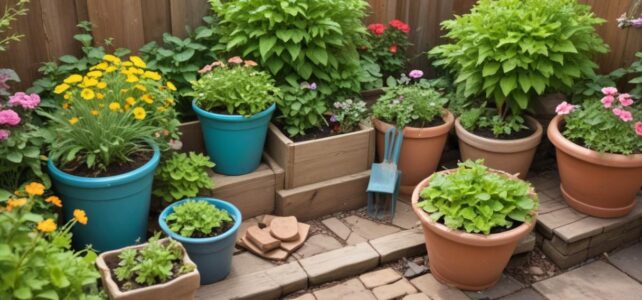
Affordable Materials for a Home Garden

Materials for a Home Garden

Creating a beautiful home garden doesn’t have to be expensive. With the right planning and the use of affordable materials, you can design a stunning garden space that fits your budget. In this article, we’ll explore some of the best low-cost materials you can use to enhance your garden and provide tips on how to make the most of them.

1. Gravel and Mulch

Using Gravel for Pathways

Gravel is an excellent, cost-effective material for creating pathways in your home garden. It’s not only affordable but also easy to maintain. Gravel allows for good drainage, preventing water from pooling on your paths, and it comes in various sizes and colors, allowing you to customize the look of your garden.

Mulch is another inexpensive option for covering the soil in flower beds or around plants. It helps retain moisture, reduces weed growth, and improves the overall appearance of the garden. Mulch can be made from wood chips, bark, or even leaves, making it a versatile and eco-friendly choice.

2. Recycled Materials

Creating Garden Features with Recycled Materials

One of the best ways to save money on your home garden is by using recycled materials. Old bricks, pallets, and even broken pots can be repurposed to create unique garden features. For example, recycled pallets can be transformed into vertical planters, giving you more planting space without the cost of new materials.

Old tires can also be painted and used as planters or garden decorations. Not only does this save money, but it also helps reduce waste, making your garden more sustainable. Recycled materials add a rustic charm to your garden, making it look creative and personalized.

3. Native Plants

The Benefits of Using Native Plants

When selecting plants for your home garden, consider choosing native plants. These plants are typically more affordable because they are well-suited to the local climate and soil conditions, requiring less water, fertilizer, and care. Native plants also attract local wildlife, such as birds and butterflies, enhancing the biodiversity of your garden.

Additionally, native plants are more resistant to pests and diseases, reducing the need for costly pesticides. By opting for native species, you not only save money but also create a more sustainable and environmentally friendly garden.

4. DIY Garden Decor

Crafting Your Own Garden Decorations

You don’t need to spend a lot of money on garden decorations. With a little creativity, you can craft your own garden decor using inexpensive materials. For instance, you can create stepping stones with concrete and decorative pebbles or design a bird feeder using recycled wood.

Other ideas include making wind chimes from old cutlery or creating a water feature using a simple bucket and some stones. DIY garden projects are not only budget-friendly but also allow you to add a personal touch to your garden.

5. Composting

The Importance of Composting in a Budget Garden

Composting is an excellent way to improve your soil quality without spending a lot of money on fertilizers. By composting kitchen scraps, leaves, and other organic matter, you can create nutrient-rich soil for your plants. This reduces the need for store-bought fertilizers and helps you recycle organic waste.

Setting up a compost bin is easy and inexpensive. You can make a simple bin from wooden pallets or even repurpose an old trash can. Composting not only saves money but also contributes to a healthier, more productive garden.…

The Benefits of Keeping Houseplants: A Guide to Indoor Gardening

Bringing plants into your home is not only a great way to enhance your decor but also offers numerous health benefits. Houseplants can improve air quality, boost your mood, and create a serene environment. In this article, we will explore the advantages of having indoor plants, popular varieties, and tips for caring for them.

Why Choose Houseplants?

1. Improved Air Quality

One of the most significant benefits of keeping houseplants is their ability to purify the air. Many common indoor plants, such as peace lilies and snake plants, are known for their air-purifying qualities. They absorb toxins and release oxygen, contributing to a healthier indoor environment. According to a study by NASA, certain plants can remove harmful substances like formaldehyde, benzene, and carbon monoxide from the air, making them an essential addition to any home.

2. Enhanced Mental Well-Being

Having plants in your living space can positively impact your mental health. Studies have shown that interacting with houseplants can reduce stress, anxiety, and depression. The simple act of caring for a plant can provide a sense of purpose and accomplishment. Moreover, being surrounded by greenery can create a calming atmosphere, helping to improve focus and productivity, especially in home offices or study areas.

Choosing the Right Houseplants

1. Low-Maintenance Options

If you are new to indoor gardening, starting with low-maintenance houseplants is a great idea. Plants like pothos, ZZ plants, and spider plants are forgiving and can thrive in various conditions. They require minimal care, making them perfect for busy individuals or those without a green thumb. These plants can tolerate lower light levels and infrequent watering, allowing you to enjoy greenery without the pressure of extensive upkeep.

2. Aesthetic Appeal

When selecting houseplants, consider the aesthetic appeal they can bring to your home. Plants come in various shapes, sizes, and colors, allowing you to choose ones that complement your decor. For example, succulents and cacti are trendy choices that add a modern touch to any room. On the other hand, larger plants like fiddle leaf figs or rubber plants can serve as striking focal points in living spaces.

Caring for Your Houseplants

1. Proper Lighting

Understanding the light requirements of your houseplants is crucial for their health. Some plants thrive in bright, indirect sunlight, while others prefer low light. Placing your plants in the right location can significantly impact their growth. If natural light is limited in your home, consider using grow lights to provide the necessary illumination for your plants to thrive.

2. Watering Techniques

Overwatering is a common mistake among indoor gardeners. It’s essential to know how much water your houseplants need. Generally, it’s better to underwater than overwater, as many plants can tolerate dryness. A good rule of thumb is to check the top inch of soil; if it feels dry, it’s time to water. Ensure that your pots have drainage holes to prevent water from pooling at the bottom.

3. Fertilization and Soil

Regular fertilization is vital for the health of your houseplants. Use a balanced, water-soluble fertilizer during the growing season (spring and summer) to provide essential nutrients. Additionally, repotting your plants every couple of years with fresh potting soil will promote healthy growth and root development.…